
Monthly Archives: May 2026

A Closer Look at Florida’s Recovery Services: From Clinical Care to Holistic Healing and Community Support

Recovery from addiction or mental health challenges is rarely a straight path. It requires structure, compassion, and ongoing support that adapts to each stage of healing. In Florida, recovery services are designed to provide exactly that. From clinical treatment and medical support to holistic healing and strong community connections, individuals have access to a wide continuum of care that supports real and lasting recovery.

Understanding Florida’s Comprehensive Approach to Recovery

Florida’s recovery system is built on the understanding that addiction and mental health conditions are often interconnected. Many individuals seeking help are also dealing with underlying issues such as anxiety, depression, trauma, or chronic stress. Because of this, treatment programs focus on integrated care, addressing both mental health and substance use together.

This comprehensive approach ensures that individuals are not only treated for symptoms but also supported in understanding and healing the root causes of their struggles.

Clinical Care: The Foundation of Recovery

Inpatient Treatment for Structured Healing

Inpatient or residential treatment provides a safe, structured environment where individuals can fully focus on recovery. Clients live at the facility and receive 24-hour medical and emotional support.

Key features of clinical inpatient care include:

  • Around-the-clock supervision and support
  • Individual therapy focused on personal challenges and trauma
  • Group counseling that builds accountability and connection
  • Structured daily routines that promote stability
  • Medical oversight for withdrawal and mental health needs

This level of care is often recommended for individuals with severe addiction or co-occurring mental health conditions. It provides a strong foundation for early recovery.

Outpatient Care: Support While Maintaining Daily Life

Flexible Treatment for Real-World Needs

Outpatient programs allow individuals to receive structured treatment while continuing to live at home. This makes it easier to balance recovery with work, school, or family responsibilities.

Outpatient services typically include:

  • Regular individual counseling sessions
  • Group therapy and peer support
  • Mental health treatment for anxiety, depression, or trauma
  • Relapse prevention education and coping strategies
  • Flexible scheduling options

Outpatient care is also commonly used after inpatient treatment, helping individuals gradually transition back into everyday life while maintaining consistent support.

Holistic Healing: Restoring Mind, Body, and Spirit

Recovery is most effective when it goes beyond clinical treatment. Many Florida programs include holistic healing approaches that focus on overall wellness and personal growth.

Holistic services may include:

  • Mindfulness and meditation practices for stress reduction
  • Yoga and physical activity to support emotional balance
  • Nutrition education to improve physical health
  • Creative therapies such as art, music, or journaling

These approaches help individuals reconnect with themselves and build healthier coping strategies that support long-term recovery.

Faith-Based Support: Finding Strength Through Belief

For individuals who value spiritual guidance, many Florida recovery programs offer faith-based support services. These programs integrate clinical care with spiritual practices to provide deeper emotional and motivational support.

Faith-based care may include:

  • Prayer and spiritual counseling
  • Faith-centered group discussions
  • Reflection and personal growth exercises
  • Community support rooted in shared beliefs

This combination of clinical and spiritual care can offer comfort, purpose, and hope throughout the recovery journey.

Community Support: Building Connection and Accountability

Recovery is not meant to happen in isolation. Community support plays a vital role in helping individuals stay engaged and motivated in their healing process.

Community-based recovery support may include:

  • Peer support groups
  • Alumni programs for continued connection after treatment
  • Family education and involvement programs
  • Local recovery networks and resources

These connections help individuals feel understood, supported, and encouraged as they continue building a healthier life.

Individualized Care Plans: Tailoring Recovery to the Person

No two recovery journeys are the same. That is why Florida programs emphasize individualized treatment plans that reflect each person’s needs, history, and goals.

Personalized care may include:

  • Therapy focused on trauma, stress, or co-occurring disorders
  • Customized relapse prevention strategies
  • Family involvement and communication support
  • Long-term aftercare planning and outpatient follow-up

This personalized approach ensures that treatment is both meaningful and effective.

Conclusion

Florida’s recovery services offer a complete continuum of care that supports individuals at every stage of healing. From clinical inpatient treatment and outpatient programs to holistic therapies, faith-based support, and strong community connections, these services are designed to promote lasting recovery and overall wellness. If you or a loved one is ready to take the next step, reaching out for help can be the beginning of real and lasting change. Support is available, and recovery is possible.

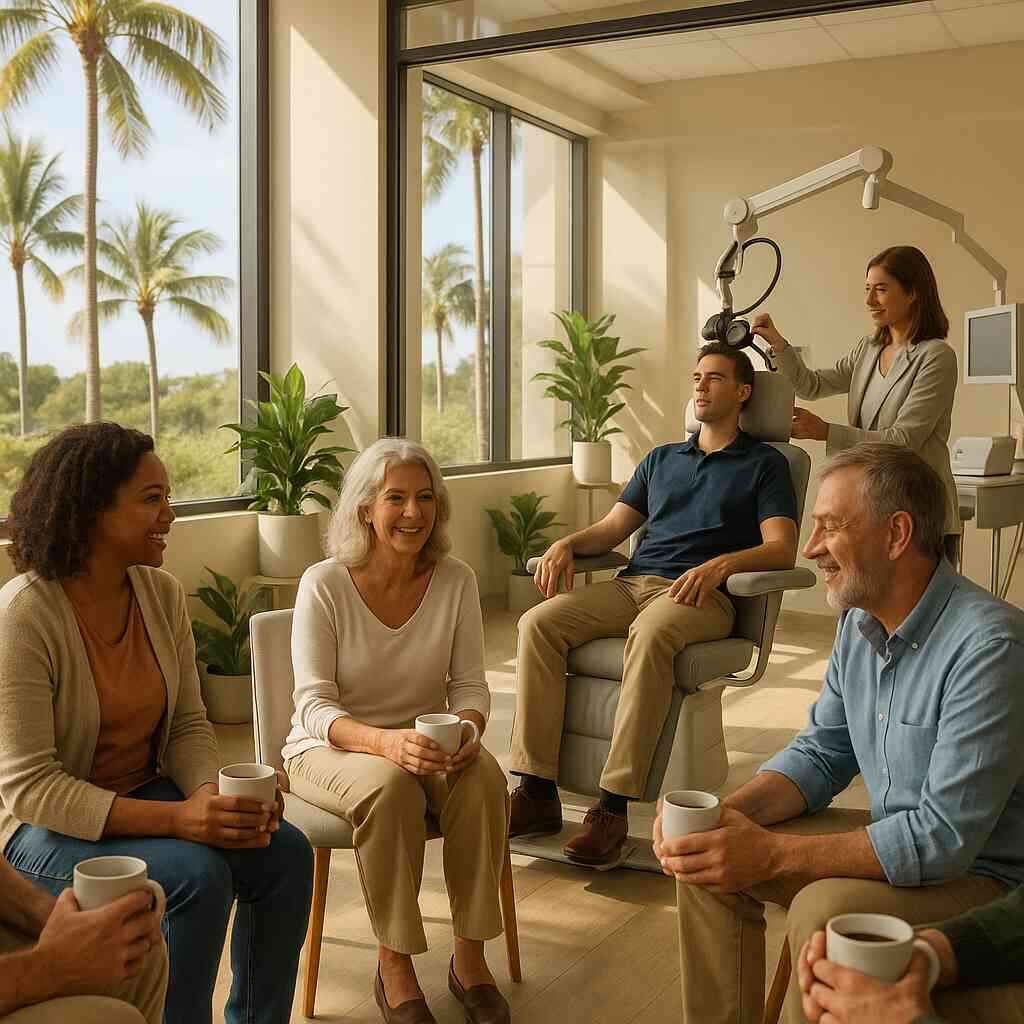
Finding the Right Support in Florida: How Personalized Addiction and Mental Health Programs Make a Difference

Finding the right support for addiction or mental health challenges can feel overwhelming, especially when every situation is different and every person’s needs are unique. In Florida, treatment programs are designed with this reality in mind. Instead of offering a one-size-fits-all solution, many providers focus on personalized care that addresses the whole person, including mental health, physical well-being, and emotional stability. This approach helps individuals move beyond short-term relief and toward long-term recovery that actually lasts.

Understanding Personalized Care in Florida’s Recovery Programs

Florida’s addiction and mental health treatment services are built around the idea that recovery must be individualized to be effective. Many people dealing with substance use also experience underlying challenges such as anxiety, depression, trauma, or chronic stress. Because of this, treatment programs often use integrated care models that address both mental health and addiction at the same time.

Personalized care means that treatment is not based on assumptions. Instead, it is built around each person’s history, experiences, strengths, and goals. This helps create a stronger foundation for recovery and improves long-term outcomes.

Inpatient Treatment: Structured Care for Intensive Healing

What Inpatient Programs Provide

Inpatient or residential treatment offers a highly structured and supportive environment where individuals can fully focus on recovery. Clients live at the facility and receive 24-hour care from trained medical and clinical professionals.

Key features of inpatient programs include:

  • Continuous supervision and emotional support
  • Individual therapy tailored to personal challenges
  • Group counseling for shared understanding and accountability
  • Structured daily routines that support stability
  • Access to holistic wellness activities such as mindfulness and fitness

Inpatient care is often recommended for individuals who need intensive support or a safe environment away from triggers and stressors.

Outpatient Treatment: Flexible Support for Real Life

How Outpatient Programs Help Individuals Heal

Outpatient treatment allows individuals to receive professional care while continuing to live at home. This option is especially helpful for those who need ongoing support but also have responsibilities such as work, school, or family commitments.

Outpatient care typically includes:

  • Individual therapy sessions focused on mental health and addiction recovery
  • Group counseling that builds peer support and connection
  • Relapse prevention education and coping strategies
  • Mental health support for conditions such as anxiety or depression
  • Flexible scheduling that fits daily life

Outpatient programs also serve as a step-down level of care after inpatient treatment, helping individuals maintain progress while transitioning back into everyday routines.

Holistic and Faith-Based Approaches to Healing

Recovery is most effective when it supports the whole person. Many Florida programs incorporate holistic treatment approaches that focus on physical, emotional, and spiritual well-being.

Holistic care may include:

  • Meditation and mindfulness practices for stress management
  • Yoga and movement therapy to improve emotional balance
  • Nutrition support to strengthen physical health
  • Creative therapies such as art or music for emotional expression

In addition, faith-based programs offer spiritual support for individuals who find strength in their beliefs. These programs combine clinical care with spiritual guidance, helping individuals build hope, purpose, and resilience throughout recovery.

Why Personalized Treatment Matters in Recovery

No two recovery journeys are the same. That is why personalized treatment plays such an important role in effective care. Florida programs design individualized plans that reflect each person’s unique situation and needs.

Personalized treatment may include:

  • Therapy focused on trauma, stress, or co-occurring disorders
  • Customized relapse prevention planning
  • Family counseling to strengthen communication and support systems
  • Continued outpatient care and long-term aftercare planning

This approach ensures that treatment is not only effective in the short term but also sustainable over time.

Choosing the Right Support in Florida

Finding the right program begins with understanding your needs and exploring available options. Consider the following steps:

  1. Identify the level of care required, whether inpatient or outpatient
  2. Explore holistic or faith-based options that align with personal values
  3. Look for programs that offer ongoing support and aftercare services
  4. Speak with licensed professionals who can guide treatment decisions

Florida offers a wide range of resources designed to support individuals at every stage of recovery, ensuring that help is accessible and personalized.

Conclusion

Finding the right support in Florida can make a meaningful difference in the recovery journey. With personalized addiction and mental health programs, individuals can access inpatient care, outpatient services, holistic healing, and faith-based support tailored to their unique needs. If you or a loved one is ready to take the next step, reaching out for help can open the door to healing, stability, and a healthier future. Recovery is possible, and the right support can make all the difference.

Exploring Care Options in Florida: Inpatient, Outpatient, and Holistic Treatment Paths for Lasting Recovery

Choosing the right path for addiction recovery or mental health treatment can feel overwhelming, especially when every option seems to promise something different. The reality is that recovery is not a single approach. It is a combination of support, structure, and personalized care that meets each individual where they are. In Florida, a wide range of treatment options are available, including inpatient care, outpatient programs, and holistic therapies designed to support lasting recovery and overall wellness.

Understanding Florida’s Approach to Addiction and Mental Health Care

Florida’s treatment system is built on the understanding that addiction and mental health conditions often occur together. Many individuals seeking help are also dealing with anxiety, depression, trauma, or chronic stress. Because of this, programs across the state focus on integrated treatment, addressing both mental health and substance use at the same time.

This approach helps individuals work through the underlying causes of addiction rather than focusing only on symptoms. As a result, recovery becomes more stable, meaningful, and sustainable over time.

Inpatient Treatment: Structured Support for Deep Recovery

What Inpatient Programs Offer

Inpatient or residential treatment provides a highly structured environment where individuals can focus fully on healing. Clients live at the facility and receive 24-hour care from trained professionals.

Key benefits of inpatient care include:

  • Continuous medical and emotional support
  • Individual therapy focused on root causes of addiction and mental health challenges
  • Group counseling that encourages connection and accountability
  • Daily routines that create structure and stability
  • Access to holistic wellness services such as mindfulness and stress management

Inpatient treatment is often recommended for individuals with severe addiction, unstable environments, or co-occurring mental health conditions. It provides a safe space where healing can begin without outside distractions.

Outpatient Treatment: Flexible Care That Fits Real Life

How Outpatient Programs Support Recovery

Outpatient treatment allows individuals to receive professional care while continuing to live at home. This option is ideal for those who need ongoing support but also want to maintain responsibilities such as work, school, or family life.

Outpatient programs typically include:

  • Regular individual therapy sessions
  • Group counseling and peer support
  • Mental health treatment for conditions such as anxiety or depression
  • Relapse prevention education and coping strategies
  • Flexible scheduling to support daily routines

Outpatient care is also commonly used as a continuation of inpatient treatment, helping individuals transition smoothly back into everyday life while maintaining consistent support.

Holistic Treatment: Healing the Mind, Body, and Spirit

Recovery is most effective when it addresses the whole person. Many Florida programs incorporate holistic treatment approaches that support emotional, physical, and spiritual well-being.

Holistic therapies may include:

  • Meditation and mindfulness practices for stress reduction
  • Yoga and physical movement to support emotional balance
  • Nutritional counseling to improve overall health
  • Creative therapies such as art or music for emotional expression

These practices help individuals build healthy coping skills and reconnect with themselves in a deeper and more meaningful way.

Faith-Based Support for Spiritual Strength

For individuals who value spiritual guidance, many Florida programs offer faith-based recovery options. These programs combine clinical care with spiritual support, helping individuals find meaning, hope, and motivation throughout their recovery journey.

Faith-based care may include:

  • Prayer and spiritual counseling
  • Faith-centered group discussions
  • Reflection and personal growth practices
  • Community support rooted in shared values

This approach can provide comfort and resilience during difficult stages of recovery.

Personalized Treatment Plans for Long-Term Success

Every recovery journey is unique, which is why Florida programs emphasize individualized treatment plans. Care is tailored to each person’s specific needs, history, and goals.

Personalized treatment may include:

  • Therapy focused on trauma, stress, or co-occurring disorders
  • Customized relapse prevention planning
  • Family counseling and education
  • Ongoing outpatient care and aftercare planning

This personalized approach ensures that individuals receive care that is relevant, effective, and sustainable over time.

Choosing the Right Care Path in Florida

Finding the right treatment program starts with understanding your needs and exploring available options. Consider the following steps:

  1. Determine the level of care required, whether inpatient or outpatient
  2. Explore holistic or faith-based options that align with personal values
  3. Look for programs that offer ongoing support and aftercare services
  4. Seek guidance from licensed professionals to make informed decisions

Florida offers a wide network of compassionate and professional treatment resources designed to support individuals at every stage of recovery.

Conclusion

Exploring care options in Florida reveals a wide range of pathways designed to support healing and long-term recovery. Whether through inpatient treatment, outpatient programs, holistic therapies, faith-based support, or personalized care plans, individuals can find the right combination of services to rebuild their lives. If you or a loved one is ready to take the next step, reaching out for help can open the door to stability, hope, and lasting wellness.

What Florida Has to Offer: A Guide to Mental Health and Addiction Recovery Resources That Truly Support Healing

Finding the right support for mental health or addiction recovery can feel overwhelming, especially when you are trying to understand where to begin. The truth is that healing does not come from a single solution. It comes from access to the right care, the right environment, and the right level of support. In Florida, individuals have access to a wide range of mental health and addiction recovery resources designed to meet people where they are and guide them toward lasting wellness. From inpatient treatment to outpatient programs and holistic care, Florida offers pathways that support real, sustainable healing.

Understanding Mental Health and Addiction Care in Florida

Florida’s recovery system is built around one important idea. Every person’s journey is different. Because of this, treatment programs focus on personalized care that addresses both addiction and mental health conditions at the same time.

Many individuals dealing with substance use also experience challenges such as anxiety, depression, trauma, or chronic stress. Treating these conditions together leads to better outcomes and long-term stability. This integrated approach is a core part of many Florida treatment programs and helps individuals build a stronger foundation for recovery.

Inpatient Treatment: Structured Care for Deep Healing

What Inpatient Programs Provide

Inpatient or residential treatment offers a highly structured environment where individuals can focus entirely on recovery. Clients live at the facility and receive continuous support from trained medical and clinical professionals.

Key benefits of inpatient care include:

  • 24-hour supervision and medical support
  • Individual therapy focused on root causes of addiction and mental health concerns
  • Group counseling that builds accountability and connection
  • Daily structure that supports stability and routine
  • Holistic therapies such as mindfulness, fitness, and stress management

Inpatient treatment is often recommended for individuals who need intensive support or a safe, controlled environment to begin their recovery journey.

Outpatient Treatment: Flexible Support for Everyday Life

How Outpatient Programs Help

Outpatient treatment allows individuals to receive professional care while continuing to live at home. This makes it a practical option for those who need support but also have responsibilities such as work, school, or family life.

Outpatient programs typically include:

  • Individual and group therapy sessions on a regular schedule
  • Mental health counseling for anxiety, depression, or trauma
  • Education on coping skills and relapse prevention
  • Peer support groups that encourage accountability
  • Flexible scheduling to fit real-life needs

Outpatient care is also commonly used as a step-down option after inpatient treatment, helping individuals transition back into daily life while maintaining ongoing support.

Holistic Healing: Supporting Mind, Body, and Spirit

Recovery is more than stopping substance use. It is about rebuilding balance and well-being in every area of life. Many Florida programs include holistic approaches that support emotional, physical, and mental health.

Holistic care may include:

  • Meditation and mindfulness practices to reduce stress
  • Yoga and movement therapy to improve emotional regulation
  • Nutrition support to strengthen physical health
  • Creative therapies such as art or music for emotional expression

These approaches help individuals develop healthier coping tools and reconnect with themselves in meaningful ways.

Faith-Based Support for Meaningful Recovery

For individuals who draw strength from spirituality, Florida also offers faith-based recovery programs. These programs combine clinical treatment with spiritual support, helping individuals find hope and purpose during recovery.

Faith-based care may include:

  • Prayer and spiritual counseling
  • Faith-centered group support
  • Reflection and meditation practices
  • Community involvement rooted in shared values

This approach can provide comfort and strength during difficult moments in the recovery process.

Individualized Treatment Plans for Lasting Results

No two recovery journeys are the same. That is why Florida programs focus heavily on personalized treatment plans designed around each individual’s needs, history, and goals.

Personalized care may include:

  • Therapy focused on trauma, stress, or co-occurring disorders
  • Customized relapse prevention planning
  • Family counseling to rebuild trust and communication
  • Continued outpatient support and aftercare planning

This individualized approach ensures that each person receives care that is relevant, effective, and supportive of long-term recovery.

Choosing the Right Path in Florida

Finding the right program begins with understanding your needs and exploring available options. Here are a few important steps:

  1. Identify the level of care needed, whether inpatient or outpatient
  2. Consider holistic or faith-based options that align with personal values
  3. Look for programs that provide ongoing support after treatment
  4. Seek professional guidance to make informed decisions

Florida offers a wide network of resources designed to support individuals at every stage of recovery.

Conclusion

Florida provides a wide range of mental health and addiction recovery resources that support real healing. With options such as inpatient care, outpatient treatment, holistic therapies, faith-based programs, and individualized care plans, individuals can find the support they need to rebuild their lives. If you or a loved one is ready to take the next step, reaching out to a trusted Florida treatment provider can be the beginning of lasting change. Healing is possible, and support is available every step of the way.

A Complete Look at Florida’s Addiction and Mental Health Services: What You Need to Know

Accessing the right support for addiction or mental health challenges can feel overwhelming, especially when you are trying to understand what options are available and which one is the right fit. In Florida, individuals and families have access to a wide network of compassionate, professional treatment programs designed to meet people where they are. From inpatient care to outpatient services and holistic healing approaches, Florida’s recovery system focuses on providing personalized, effective, and long-term support for lasting wellness.

Understanding Florida’s Approach to Mental Health and Addiction Care

Florida’s treatment programs are built around one key principle. Recovery works best when care is individualized and comprehensive. Many individuals struggling with addiction also face mental health conditions such as anxiety, depression, PTSD, or chronic stress. Because of this, treatment often addresses both issues together through integrated care models.

This approach ensures that treatment does not only focus on symptoms but also on underlying causes. By doing so, individuals are more likely to achieve sustainable recovery and improved emotional well-being.

Inpatient Treatment: Structured Support for Healing and Stability

What Inpatient Care Offers

Inpatient or residential treatment provides a highly structured environment where individuals can focus entirely on recovery. Clients live at the facility and receive round-the-clock care from medical and clinical professionals.

Key features of inpatient treatment include:

  • 24-hour supervision and medical support
  • Individual therapy sessions tailored to personal needs
  • Group counseling for shared healing and accountability
  • Structured daily routines that promote stability
  • Holistic support such as mindfulness, fitness, and wellness activities

Inpatient care is often recommended for individuals with severe addiction, repeated relapse patterns, or co-occurring mental health conditions. It offers a safe and focused environment for building a strong foundation in recovery.

Outpatient Treatment: Flexible Care for Everyday Life

How Outpatient Programs Support Recovery

Outpatient treatment provides professional care while allowing individuals to continue living at home. This option is ideal for those who need ongoing support but also have responsibilities such as work, school, or family care.

Outpatient programs typically include:

  • Regular individual and group therapy sessions
  • Mental health counseling for emotional and psychological support
  • Education on coping skills and relapse prevention
  • Peer support groups that encourage accountability
  • Flexible scheduling that fits daily life

Outpatient care is also commonly used after inpatient treatment to help individuals transition back into everyday routines while maintaining therapeutic support.

Holistic Healing: Supporting the Whole Person

Recovery is not just about stopping substance use. It is about rebuilding balance in every area of life. Many Florida programs incorporate holistic treatment approaches that support mental, physical, and emotional wellness.

Holistic care may include:

  • Mindfulness and meditation to reduce stress and improve focus
  • Yoga and physical activity to support emotional regulation
  • Nutrition guidance to strengthen overall health
  • Creative therapies such as art, music, or journaling for emotional expression

These approaches help individuals reconnect with themselves and build healthier coping strategies that support long-term recovery.

Faith-Based Recovery Options for Spiritual Support

For individuals who draw strength from spirituality, many Florida programs offer faith-based treatment options. These programs integrate clinical care with spiritual guidance, helping individuals find meaning and purpose during recovery.

Faith-based support may include:

  • Prayer and spiritual counseling
  • Faith-centered group discussions
  • Reflection practices for personal growth
  • Community support grounded in shared values

This approach can provide comfort, hope, and motivation throughout the recovery journey.

Personalized Treatment Plans That Make a Difference

No two recovery journeys are the same. That is why Florida treatment programs emphasize individualized care plans designed around each person’s unique needs, history, and goals.

Personalized treatment may include:

  • Therapy focused on trauma, anxiety, or depression
  • Customized relapse prevention strategies
  • Family involvement and counseling
  • Continued outpatient support and aftercare planning

This tailored approach ensures that individuals receive the right level of care and ongoing support for lasting recovery.

Choosing the Right Path in Florida

Finding the right treatment program begins with understanding your needs and exploring available options. Consider the following steps:

  1. Determine whether inpatient or outpatient care is most appropriate
  2. Explore holistic or faith-based programs if they align with your values
  3. Look for programs that offer long-term support and aftercare services
  4. Consult with licensed professionals for personalized guidance

Florida offers a wide range of treatment resources designed to support individuals at every stage of recovery.

Conclusion

Florida’s addiction and mental health services provide a comprehensive and compassionate approach to healing. With options that include inpatient care, outpatient treatment, holistic therapies, faith-based support, and individualized care plans, individuals can find the right path toward recovery and long-term wellness. If you or a loved one is ready to take the next step, reaching out to a trusted Florida treatment provider can open the door to hope, healing, and a healthier future.