Monthly Archives: June 2026

Your Guide to Healing in Florida: Understanding Mental Health and Addiction Support Services Available Today

Taking the first step toward recovery can be one of the most challenging decisions a person will ever make. Whether you are seeking help for yourself or supporting someone you care about, understanding the treatment options available can make the journey feel less overwhelming. Florida has become a destination for comprehensive mental health and addiction recovery services, offering programs that combine clinical expertise with compassionate, individualized care. From inpatient treatment and outpatient support to holistic therapies and faith-based programs, individuals can find resources designed to promote lasting healing and long-term wellness.

Why Comprehensive Care Matters

Addiction and mental health conditions often influence one another. Someone struggling with substance use may also experience depression, anxiety, trauma, or other emotional challenges. Treating only one condition while ignoring the other can make recovery more difficult.

Florida treatment programs often use an integrated approach that addresses both addiction and mental health at the same time. By focusing on the whole person instead of a single diagnosis, treatment providers help individuals build healthier coping skills, improve emotional well-being, and reduce the risk of relapse.

Inpatient Treatment: A Strong Start to Recovery

What to Expect During Residential Care

Inpatient treatment offers a structured environment where individuals can focus entirely on healing without the distractions and triggers of everyday life. Clients live at the treatment facility while receiving continuous care from experienced professionals.

Residential treatment often includes:

  • Twenty-four hour medical and clinical support
  • Individual counseling tailored to personal recovery goals
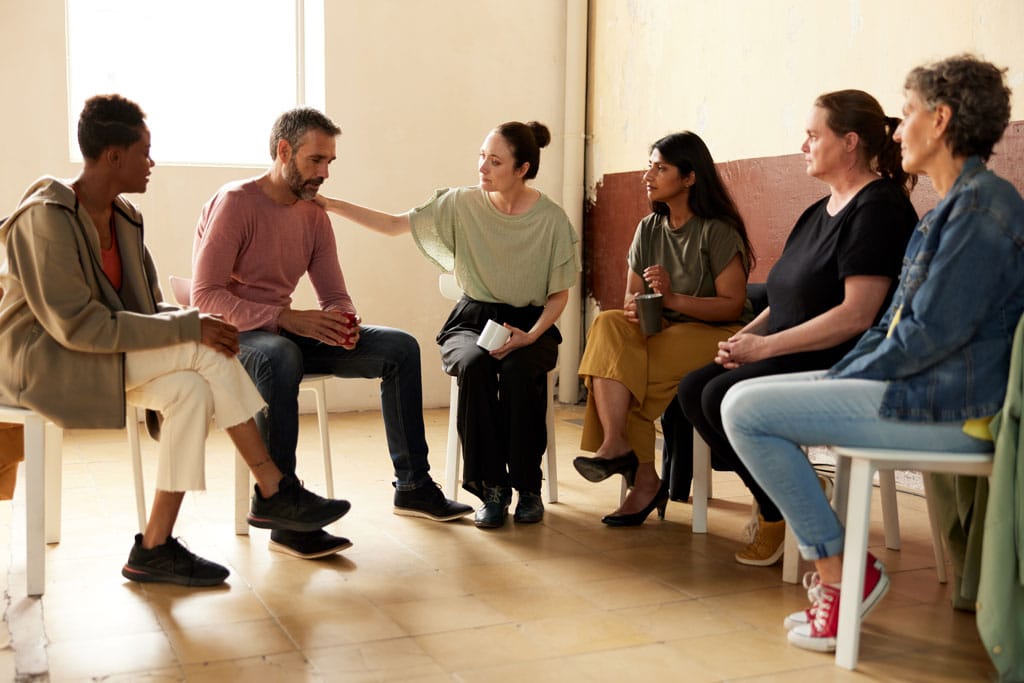
  • Group therapy that encourages peer support and accountability
  • Mental health evaluations and ongoing therapeutic care
  • Wellness activities that promote healthy daily routines

This level of care is often recommended for individuals with severe substance use disorders, co-occurring mental health conditions, or those who need additional structure during the early stages of recovery.

Outpatient Treatment: Continuing Care with Flexibility

Balancing Recovery and Daily Responsibilities

Not everyone requires residential treatment. Outpatient programs allow individuals to receive professional support while continuing to work, attend school, or care for family responsibilities.

Common outpatient services include:

  • Individual therapy sessions
  • Group counseling
  • Family therapy
  • Relapse prevention education
  • Medication management when appropriate
  • Ongoing mental health support

Many individuals transition into outpatient treatment after completing inpatient care, creating a gradual and supportive return to everyday life.

Holistic Healing Supports Lasting Wellness

Successful recovery extends beyond managing symptoms. It also involves rebuilding physical health, emotional resilience, and personal confidence. Many Florida treatment providers incorporate holistic therapies into personalized treatment plans.

Common Holistic Therapies

Holistic care may include:

  • Mindfulness and meditation
  • Yoga and physical fitness
  • Nutritional counseling
  • Art and music therapy
  • Stress reduction techniques

These services complement traditional clinical treatment and help individuals develop practical tools for maintaining long-term wellness.

Faith-Based Programs Offer Additional Support

Many people find strength in their spiritual beliefs during recovery. Faith-based treatment programs combine evidence-based clinical care with opportunities for spiritual growth and reflection.

Depending on the program, services may include:

  • Spiritual counseling
  • Prayer and meditation
  • Faith-centered support groups
  • Guidance from spiritual leaders
  • Community activities that encourage connection and hope

For those seeking this type of support, faith-based care can become an important part of the healing process.

Individualized Treatment Creates Better Outcomes

No two people experience addiction or mental health challenges in exactly the same way. Effective treatment recognizes these differences by developing individualized care plans that evolve throughout recovery.

Personalized Care May Include

Treatment plans often consider:

  • Personal medical and mental health history
  • Substance use patterns
  • Family relationships
  • Career and educational goals
  • Long-term recovery objectives

This personalized approach allows treatment professionals to provide care that reflects each individual’s unique needs instead of relying on a standardized program.

The Value of Ongoing Community Support

Recovery continues long after formal treatment ends. Continued support helps individuals stay motivated, strengthen healthy habits, and navigate life’s challenges with greater confidence.

Many Florida recovery programs encourage participation in:

  • Peer support groups
  • Alumni programs
  • Family education services
  • Community recovery events
  • Continued counseling and aftercare planning

These resources help individuals remain connected while reinforcing the skills learned during treatment.

Choosing the Right Recovery Program

Selecting a treatment program involves more than finding the nearest facility. It is important to consider factors such as:

  • The level of care needed
  • Availability of mental health services
  • Holistic and faith-based treatment options
  • Individualized treatment planning
  • Long-term aftercare and relapse prevention support

Working with experienced professionals can help individuals identify the program that best fits their circumstances and recovery goals.

Conclusion

Healing begins with the decision to seek help, and Florida offers a broad range of mental health and addiction support services to guide that journey. Through comprehensive inpatient and outpatient treatment, holistic therapies, faith-based care, and personalized recovery plans, individuals can receive the support they need to overcome challenges and build healthier, more fulfilling lives. If you or someone you love is ready to begin the recovery journey, reaching out to a trusted treatment provider today can be the first step toward lasting healing, renewed hope, and a brighter future.

Inside Florida’s Recovery Landscape: Exploring Inpatient, Outpatient, and Holistic Treatment Pathways

Finding the right path to recovery can feel overwhelming, especially when someone is facing addiction, mental health challenges, or both at the same time. The good news is that Florida offers a wide range of treatment options designed to support individuals through every stage of healing. From structured inpatient programs to flexible outpatient services and holistic approaches that focus on the whole person, Florida’s recovery landscape provides many opportunities for individuals to rebuild their lives with the right support.

Understanding Florida’s Approach to Addiction and Mental Health Recovery

Recovery is not the same for everyone. Each person has different experiences, challenges, and goals, which is why modern treatment programs focus on personalized care. Florida’s addiction recovery and mental health services often combine clinical treatment, emotional support, and wellness strategies to address the complete needs of each individual.

Many people struggling with addiction also experience underlying mental health concerns such as anxiety, depression, trauma, or stress. By treating both addiction and mental health together, programs can help individuals understand the factors contributing to their struggles and develop healthier ways to move forward.

Inpatient Treatment: A Structured Environment for Healing

What Makes Inpatient Care Different

Inpatient or residential treatment provides an immersive recovery experience where individuals live at the treatment facility and receive continuous professional support. This level of care allows clients to step away from daily triggers and focus fully on their healing journey.

Inpatient treatment may include:

  • 24-hour medical and emotional support
  • Individual therapy focused on personal experiences and recovery goals
  • Group counseling that encourages connection and accountability
  • Structured routines that promote stability
  • Wellness activities that support mental and physical health

This type of care is often beneficial for individuals who need a higher level of support, are experiencing severe addiction, or require a safe environment to begin recovery.

Outpatient Treatment: Support That Fits Daily Life

Flexible Care for Continued Progress

Outpatient programs provide professional treatment while allowing individuals to continue living at home. This approach can be especially helpful for people balancing responsibilities such as work, school, or family commitments.

Outpatient services may include:

  • Individual counseling sessions
  • Group therapy and peer support
  • Mental health services for emotional challenges
  • Relapse prevention education
  • Coping strategies for managing stress and triggers

Outpatient care also plays an important role after residential treatment. It helps individuals maintain progress while transitioning back into everyday routines.

Holistic Treatment: Healing Beyond Traditional Care

Recovery involves more than addressing addiction symptoms. True healing focuses on improving overall wellness, including emotional, physical, and spiritual health. Many Florida treatment programs incorporate holistic approaches to support long-term recovery.

Holistic treatment options may include:

  • Mindfulness and meditation practices
  • Fitness and movement programs
  • Nutrition guidance
  • Stress management techniques
  • Creative therapies that encourage self-expression

These approaches help individuals develop healthier habits and strengthen their ability to handle challenges in the future.

Faith-Based Recovery: Supporting Personal Values and Spiritual Growth

For individuals who value spirituality, faith-based programs offer an additional layer of support. These programs combine professional treatment with spiritual guidance to help individuals find hope, purpose, and motivation throughout recovery.

Faith-based support may include:

  • Spiritual counseling
  • Prayer and reflection practices
  • Faith-centered support groups
  • Community-based encouragement

This approach recognizes that recovery can involve emotional, personal, and spiritual growth.

The Importance of Individualized Treatment Plans

A major part of successful recovery is receiving care that matches personal needs. Individualized treatment plans allow professionals to create a path that considers a person’s background, challenges, strengths, and goals.

Personalized programs may include:

  • Therapy focused on trauma or mental health concerns
  • Customized recovery strategies
  • Family support and education
  • Continuing care planning after treatment

This individualized approach helps individuals feel understood and supported rather than treated as a number.

Building Recovery Through Community Support

Recovery does not end when a treatment program is completed. Long-term success often depends on continued encouragement and connection. Community support provides accountability, understanding, and motivation during the ongoing recovery process.

Support may come from:

  • Peer recovery groups
  • Family involvement programs
  • Alumni communities
  • Local wellness resources

Having a strong support system can make the journey feel more manageable and sustainable.

Conclusion

Florida’s recovery landscape offers a variety of pathways designed to help individuals find healing and hope. Whether someone needs the structure of inpatient care, the flexibility of outpatient treatment, or the balance of holistic and faith-based support, there are options available to meet different needs. Recovery is a personal journey, and finding the right program can be the first step toward a healthier, more fulfilling future. If you or a loved one is ready to begin, reaching out for support can open the door to lasting change.

What Florida Offers for Mental Health and Addiction Recovery: A Complete Guide to Care and Support Options

When someone begins searching for help with addiction or mental health challenges, the first question is often simple but overwhelming: what options are actually available? In Florida, the answer is encouraging. The state offers a wide range of mental health and addiction recovery services designed to meet people at different stages of need. From inpatient programs that provide structured care to outpatient services that support daily life, Florida’s recovery landscape is built around flexibility, compassion, and individualized treatment.

Understanding Mental Health and Addiction Care in Florida

Addiction and mental health challenges rarely exist in isolation. Many individuals experience both substance use and underlying conditions such as anxiety, depression, trauma, or chronic stress. Because of this connection, Florida treatment programs often focus on integrated care, treating both conditions together rather than separately.

This approach helps individuals understand the root causes of their struggles and build healthier coping strategies. The goal is not just short-term stability but long-term recovery and improved quality of life.

Inpatient Treatment: Structured Care for Stabilization and Healing

What Inpatient Programs Provide

Inpatient or residential treatment offers a highly structured environment where individuals can fully focus on recovery without outside distractions. Clients live at the facility and receive 24-hour support from trained professionals.

Key features of inpatient care include:

  • Around-the-clock medical and emotional support
  • Individual therapy sessions focused on personal history and challenges
  • Group counseling for connection and shared recovery experiences
  • Daily structure that promotes consistency and stability
  • Holistic wellness activities such as mindfulness and stress management

Inpatient care is often recommended for individuals with severe addiction, co-occurring mental health conditions, or unstable environments. It provides a strong foundation for early recovery.

Outpatient Treatment: Flexible Support for Real Life Recovery

How Outpatient Programs Work

Outpatient treatment allows individuals to receive professional care while continuing to live at home. This option is ideal for those who need support but also have responsibilities such as work, school, or family obligations.

Outpatient services typically include:

  • Individual counseling sessions tailored to personal needs
  • Group therapy and peer support meetings
  • Mental health treatment for anxiety, depression, or trauma
  • Relapse prevention education and coping skill development
  • Flexible scheduling to accommodate daily life

Outpatient programs are also commonly used after inpatient care to help individuals transition back into everyday routines while maintaining ongoing support.

Holistic Healing: Supporting the Whole Person

Recovery is more than stopping substance use. It involves rebuilding emotional, physical, and mental well-being. Many Florida programs include holistic treatment approaches that support overall healing.

Holistic care may include:

  • Meditation and mindfulness practices to reduce stress
  • Yoga and movement therapy to improve emotional balance
  • Nutritional support to strengthen physical health
  • Creative therapies such as art or music for emotional expression

These practices help individuals develop healthier coping mechanisms and reconnect with themselves in meaningful ways.

Faith-Based Recovery Options for Spiritual Support

For individuals who find strength in spirituality, Florida also offers faith-based recovery programs. These programs combine clinical treatment with spiritual guidance to support deeper healing.

Faith-based care may include:

  • Prayer and spiritual counseling
  • Faith-centered group support sessions
  • Reflection practices for personal growth
  • Community-based encouragement and accountability

This approach can provide comfort, hope, and a sense of purpose throughout the recovery journey.

Personalized Treatment Plans That Fit Individual Needs

No two recovery journeys are the same. That is why Florida treatment programs emphasize individualized care plans designed around each person’s unique situation.

Personalized treatment may include:

  • Trauma-informed therapy for past experiences
  • Customized relapse prevention strategies
  • Family counseling and communication support
  • Continued outpatient care and aftercare planning

This tailored approach ensures that treatment is relevant, effective, and supportive of long-term recovery success.

The Importance of Ongoing Support and Community

Recovery does not end after treatment. Ongoing support plays a critical role in maintaining progress and preventing relapse.

Community support may include:

  • Peer recovery groups
  • Alumni programs for continued connection
  • Family involvement in recovery education
  • Local support networks and resources

These connections help individuals stay motivated and feel supported as they continue building a healthier life.

Conclusion

Florida offers a complete and compassionate range of mental health and addiction recovery services designed to support individuals at every stage of healing. With options that include inpatient treatment, outpatient programs, holistic therapies, faith-based support, and personalized care plans, individuals can find the right path forward based on their needs. If you or a loved one is ready to take the next step, reaching out for help can open the door to stability, healing, and lasting recovery.

Healing Starts Here: Understanding Florida’s Comprehensive Mental Health and Addiction Treatment Options

Healing from addiction or mental health challenges often begins with one important realization. You do not have to face it alone. In Florida, a wide range of treatment options are available to support individuals at every stage of recovery. From inpatient and outpatient care to holistic and faith-based approaches, these services are designed to meet people where they are and guide them toward lasting stability and wellness.

A Comprehensive Approach to Mental Health and Addiction Recovery in Florida

Florida’s treatment system recognizes that addiction and mental health conditions are often deeply connected. Many individuals struggling with substance use also experience depression, anxiety, trauma, or chronic stress. Because of this, effective treatment must address both mental health and addiction together through integrated care.

This comprehensive approach helps individuals move beyond short-term symptom management and focus on long-term healing. Treatment is not just about stopping harmful behaviors. It is about understanding the underlying causes and building healthier coping strategies for the future.

Inpatient Treatment: A Strong Foundation for Recovery

What Inpatient Programs Provide

Inpatient or residential treatment offers a structured and supportive environment where individuals can fully focus on recovery. Clients live at the facility and receive 24-hour care from trained professionals.

Key features of inpatient care include:

  • Continuous medical and emotional support
  • Individual therapy focused on personal challenges and trauma
  • Group counseling for shared healing and accountability
  • Structured daily routines that support stability
  • Holistic activities such as mindfulness, exercise, and wellness education

Inpatient treatment is often recommended for individuals who need intensive support or a safe environment away from external triggers.

Outpatient Treatment: Flexible Care for Daily Life

How Outpatient Programs Support Recovery

Outpatient treatment allows individuals to receive professional care while continuing to live at home. This makes it a practical option for those balancing work, school, or family responsibilities.

Outpatient services typically include:

  • Regular therapy sessions, both individual and group
  • Mental health counseling for conditions such as anxiety or depression
  • Relapse prevention education and coping skill development
  • Peer support groups that encourage connection and accountability
  • Flexible scheduling to accommodate daily life

Outpatient care is also commonly used after inpatient treatment, helping individuals maintain progress while gradually returning to everyday responsibilities.

Holistic Healing: Supporting the Whole Person

Recovery is most effective when it addresses every aspect of well-being. Many Florida programs incorporate holistic treatment approaches that support the mind, body, and spirit.

Holistic care may include:

  • Mindfulness and meditation to reduce stress and improve focus
  • Yoga and movement therapy to support emotional balance
  • Nutritional guidance to improve physical health and energy
  • Creative therapies such as art or music for emotional expression

These approaches help individuals build healthier coping mechanisms and reconnect with themselves in meaningful ways.

Faith-Based Support: Finding Strength and Purpose

For individuals who value spirituality, many Florida programs offer faith-based recovery options. These programs combine clinical treatment with spiritual guidance to provide deeper emotional and motivational support.

Faith-based care may include:

  • Prayer and spiritual counseling
  • Faith-centered group discussions
  • Reflection and personal growth practices
  • Community support rooted in shared beliefs

This type of support can provide hope, meaning, and strength throughout the recovery process.

Individualized Treatment Plans: Care Designed for You

No two recovery journeys are the same. That is why Florida treatment programs emphasize individualized care plans tailored to each person’s needs, history, and goals.

Personalized treatment may include:

  • Trauma-informed therapy for past experiences
  • Customized relapse prevention strategies
  • Family counseling to strengthen communication and support systems
  • Ongoing outpatient care and aftercare planning

This personalized approach ensures that care is relevant, effective, and sustainable.

The Importance of Community in Recovery

Recovery is not meant to happen in isolation. Community support plays a vital role in long-term healing and stability.

Community-based support may include:

  • Peer recovery groups
  • Family involvement programs
  • Alumni networks for ongoing connection
  • Local support resources and recovery communities

These connections help individuals stay motivated and feel understood throughout their journey.

Conclusion

Healing starts here in Florida, where comprehensive mental health and addiction treatment options provide real pathways to recovery. With inpatient care, outpatient programs, holistic therapies, faith-based support, and individualized treatment plans, individuals can find the right combination of services to support lasting change. If you or a loved one is ready to begin the journey, reaching out for help can be the first step toward stability, healing, and a healthier future.