 A mental health crisis or the effects of addiction can leave individuals and families feeling overwhelmed, uncertain, and unsure where to turn. While every recovery journey begins differently, one thing remains true: the right support can change the course of a person’s life. Florida is home to a broad network of treatment programs that provide compassionate, evidence-based care for people facing substance use disorders and mental health challenges. Through inpatient treatment, outpatient services, holistic therapies, faith-based support, and individualized care plans, these programs help people move from crisis toward stability, healing, and long-term recovery.
Why Integrated Mental Health and Addiction Treatment Matters
Mental health and addiction often go hand in hand. Many individuals living with substance use disorders also experience anxiety, depression, trauma, bipolar disorder, or other mental health conditions. When these challenges are treated separately, recovery can become more difficult and relapse risks may increase.
Florida treatment programs frequently use an integrated approach that addresses both mental health and addiction simultaneously. This comprehensive model helps individuals understand the underlying causes of substance use while developing healthier ways to manage emotions, stress, and daily challenges.
By treating the whole person instead of focusing on only one condition, recovery becomes more meaningful and sustainable.
Inpatient Treatment Provides a Safe Place to Begin Healing
The Benefits of Residential Care
For individuals experiencing severe addiction, repeated relapse, or significant mental health concerns, inpatient treatment offers a secure and supportive environment where healing can begin without outside distractions.
Residential programs typically include:
- Twenty-four hour medical and clinical supervision
- Individual therapy sessions tailored to personal recovery goals
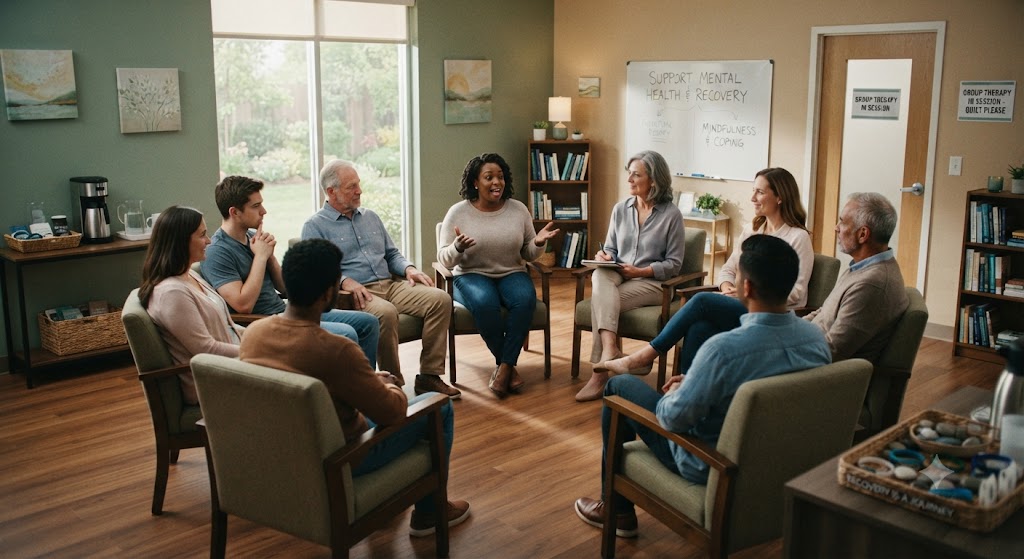
- Group counseling that builds trust and peer support
- Medication management when clinically appropriate
- Daily routines that encourage healthy habits and stability
Living in a structured environment allows individuals to focus entirely on recovery while learning practical skills that support long-term success.
Outpatient Programs Help Recovery Continue
Flexible Treatment That Fits Everyday Life
Not everyone requires residential treatment. Outpatient programs provide professional care while allowing individuals to continue working, attending school, or caring for family responsibilities.
Outpatient services often include:
- Individual counseling
- Group therapy
- Family therapy
- Mental health treatment
- Relapse prevention planning
- Ongoing recovery coaching
Many people transition into outpatient care after completing inpatient treatment. This gradual step helps reinforce healthy routines while providing continued accountability and guidance.
Holistic Therapies Promote Complete Wellness
Successful recovery involves much more than overcoming substance use. It also includes improving physical health, emotional resilience, and overall well-being. Many Florida treatment providers incorporate holistic therapies alongside traditional clinical care.
Common Holistic Services
Holistic treatment may include:
- Mindfulness and meditation
- Yoga and physical wellness programs
- Nutritional counseling
- Art and music therapy
- Stress reduction techniques
These complementary therapies help individuals manage anxiety, improve emotional regulation, and build healthier coping skills that support lifelong recovery.
Faith-Based Care Offers Hope and Purpose
Many individuals find comfort and motivation through their spiritual beliefs. Faith-based treatment programs combine professional addiction and mental health care with opportunities for spiritual growth.
Depending on the program, services may include:
- Spiritual counseling
- Prayer and meditation
- Faith-centered recovery groups
- Guidance from spiritual mentors
- Community service and fellowship
For many people, faith becomes an important source of encouragement throughout the recovery journey.
Individualized Care Leads to Better Outcomes
No two people experience addiction or mental health challenges in the same way. Effective treatment begins with understanding each individual’s unique circumstances and developing a plan that reflects those needs.
Personalized Treatment Plans May Include
Individualized care often addresses:
- Personal mental health history
- Substance use patterns
- Trauma and life experiences
- Family dynamics
- Physical health concerns
- Long-term recovery goals
This personalized approach allows treatment providers to adjust services as individuals progress, creating a recovery plan that evolves with their needs.
Recovery Is Stronger with Community Support
Healing does not end when formal treatment is complete. Long-term recovery depends on maintaining healthy relationships, building confidence, and staying connected to supportive communities.
Many Florida programs encourage participation in:
- Peer recovery meetings
- Alumni support programs
- Family education
- Recovery coaching
- Continuing therapy and aftercare services
These resources help individuals remain engaged in recovery while providing encouragement through life’s ongoing challenges.
Choosing the Right Florida Treatment Program
Finding the right treatment program starts with understanding your individual needs. Consider factors such as:
- The appropriate level of care
- Availability of dual diagnosis treatment
- Holistic and faith-based services
- Individualized treatment planning
- Comprehensive aftercare support
Working with experienced professionals can help identify the program that best supports both immediate recovery and long-term wellness.
Conclusion
Moving from crisis to care is possible with the right guidance and support. Florida’s mental health and addiction treatment programs provide compassionate, individualized services that help people regain stability, rebuild relationships, and create healthier futures. Through inpatient care, outpatient treatment, holistic therapies, faith-based programs, and ongoing community support, individuals have access to the resources they need for lasting recovery. If you or someone you love is ready to begin the healing process, reaching out to a trusted treatment provider today can be the first step toward hope, resilience, and a life transformed.